Passive fire protection and fireproofing products
Certified passive fire protection products for steel and timber structures, service penetrations, cables and ventilation ducts.
300+
Completed projects
11
Brands
300 min
Fire resistance, CharCoat 1709
15+ years
Industry experience
About Firesol
We support architects and engineers in creating safer structures with Fire Insulation, ensuring full compliance with fire regulations through Certified Products, and providing long-lasting protection with Passive Fire Solutions.
Where does fire get through a building?
Imagine a fire breaks out in the plant room. Watch it first in the unprotected building, then the same fire with Firesol.
How does fire spread through each part of a building?
From the structural frame to building services: the paths fire takes, and a solution for each.
Structural frame
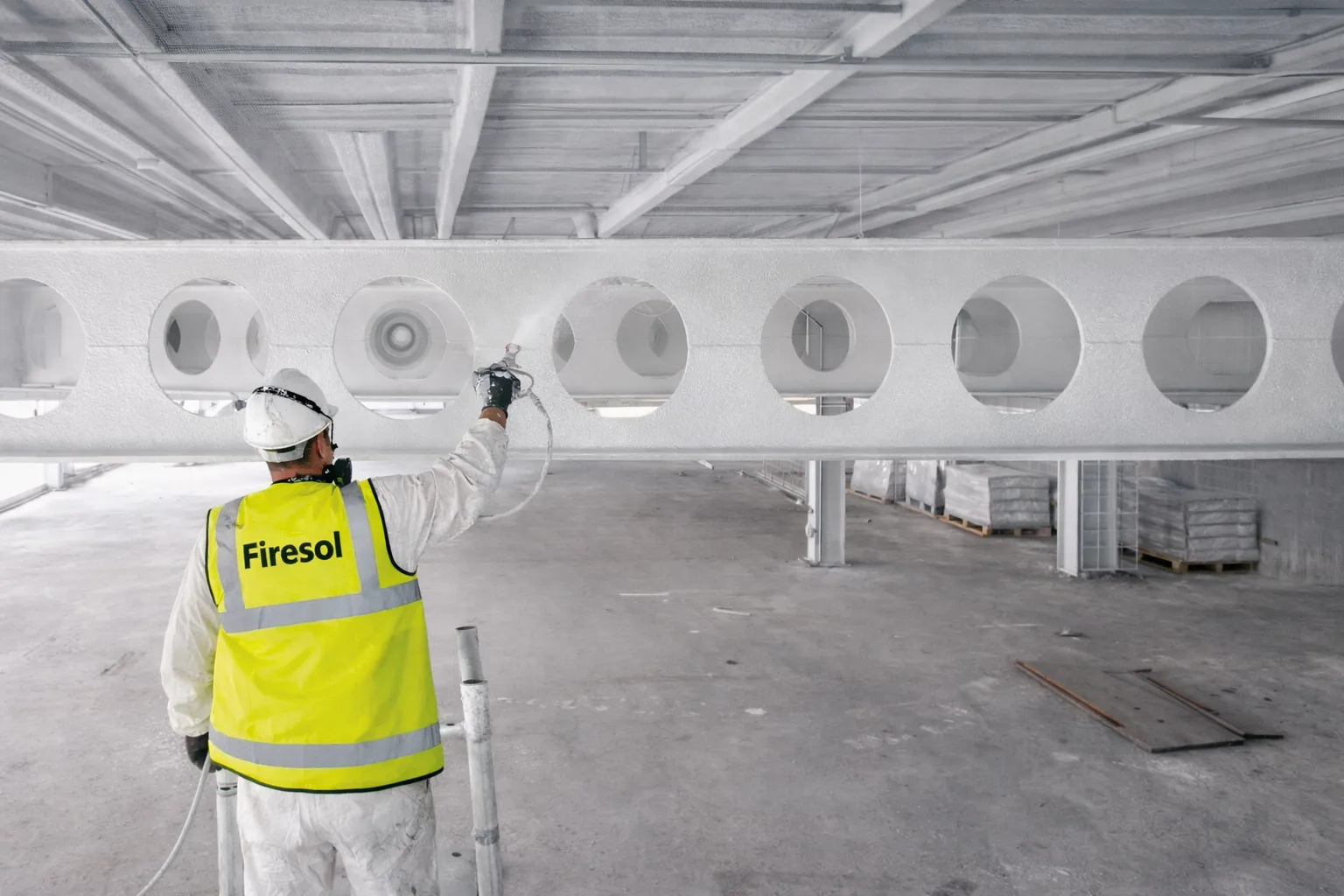
Unprotected steel reaches about 550 °C within 5–6 minutes of a standard fire and loses its load-bearing capacity.
Intumescent paint foams up when heated and wraps the steel in an insulating layer.
Timber trusses burn; the roof space becomes the route by which fire spreads through the whole building.
Fire-retardant varnishes and paints slow the spread of flame across the surface.
Facades and partitions
The gap between floor slab and facade carries fire from outside to the floor above.
Joint sealant and spray close this gap while still allowing the building to move.
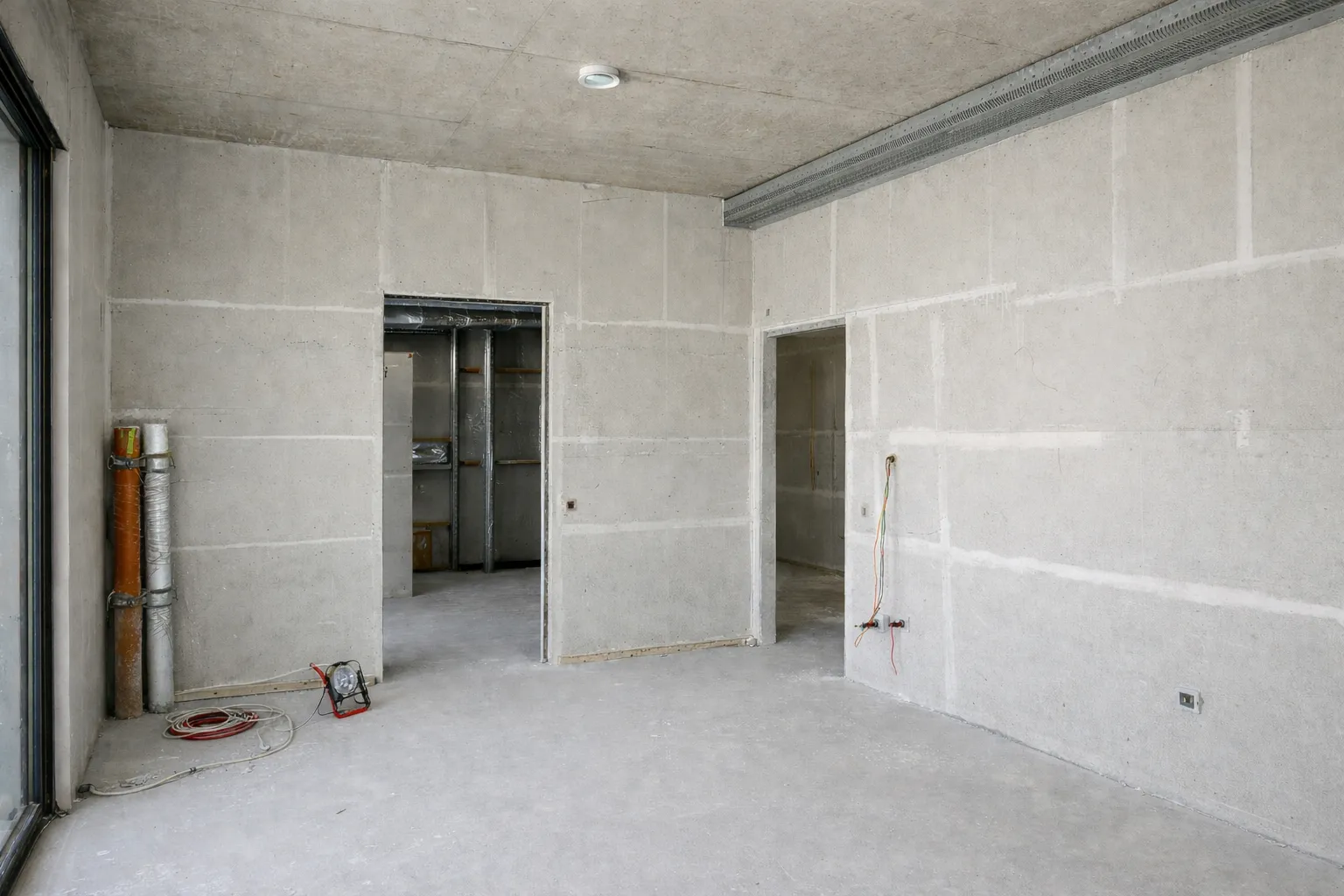
An uncertified partition wall lets fire through to the next compartment within minutes.
Fire-resistant boards turn the wall and suspended ceiling into a fire compartment.
Building services
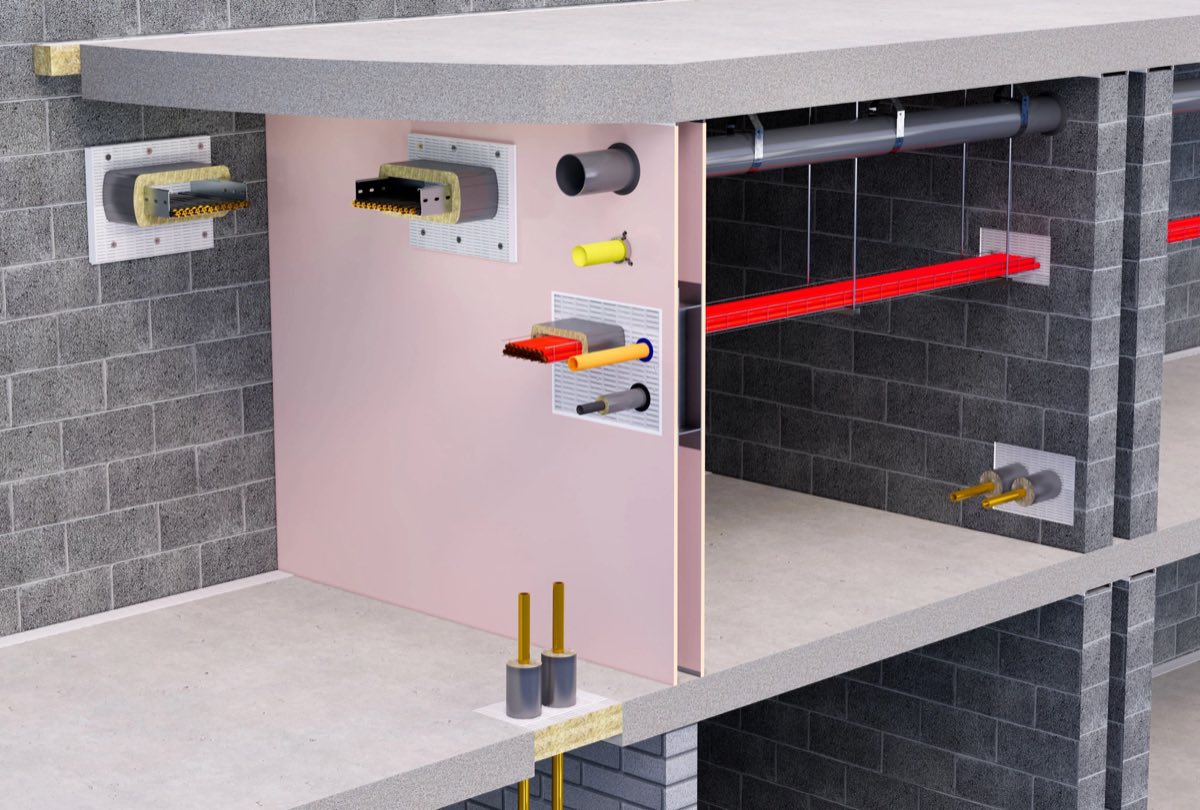
Every pipe that passes through a floor is an open chimney for fire and smoke.
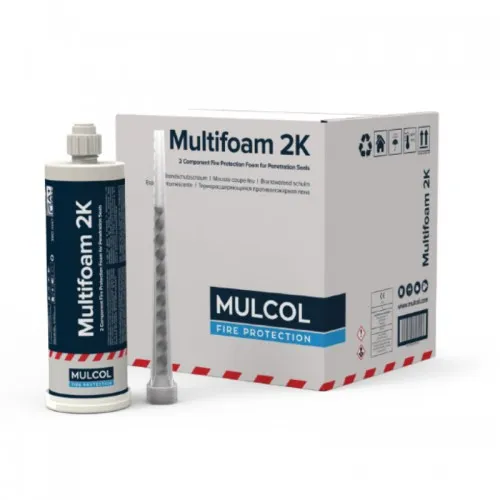
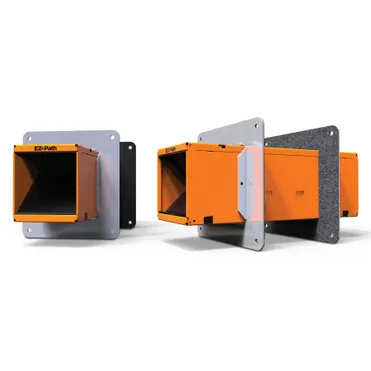
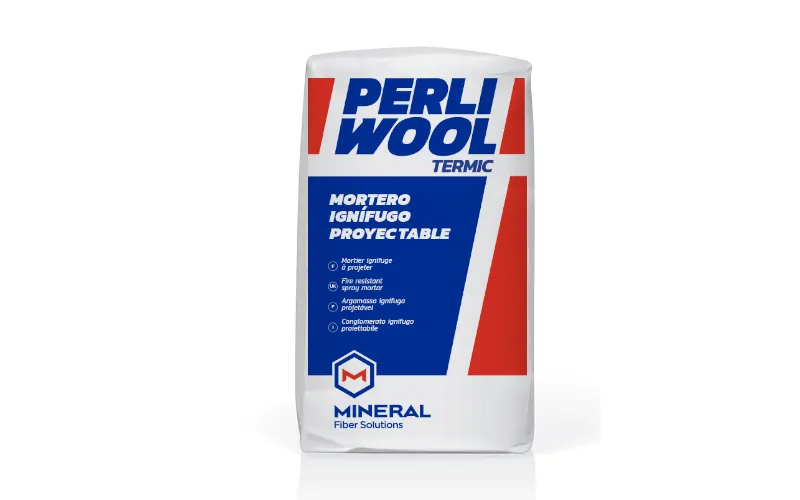
Foam, mortar and pipe wraps seal the penetration; when a plastic pipe melts, the collar fills the gap.
Cable sheaths burn and carry the flame to the other side of the wall.
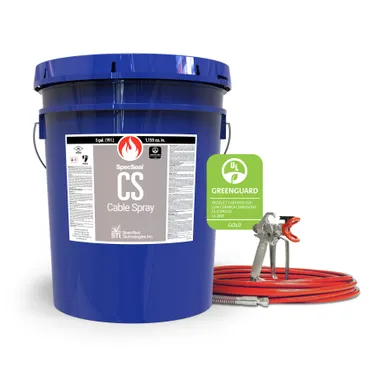
Cable coating stops the flame from travelling along the cable; penetrations are sealed as well.
A duct is the fastest route for hot gas and smoke.
Duct insulation and a seal where the duct passes through the wall keep the fire inside the duct.
Special risks
Hydrocarbon fires pass 1100 °C within a few minutes, far faster than the standard curve.
Epoxy intumescent coatings protect tanks, pipes and supports under this load too.
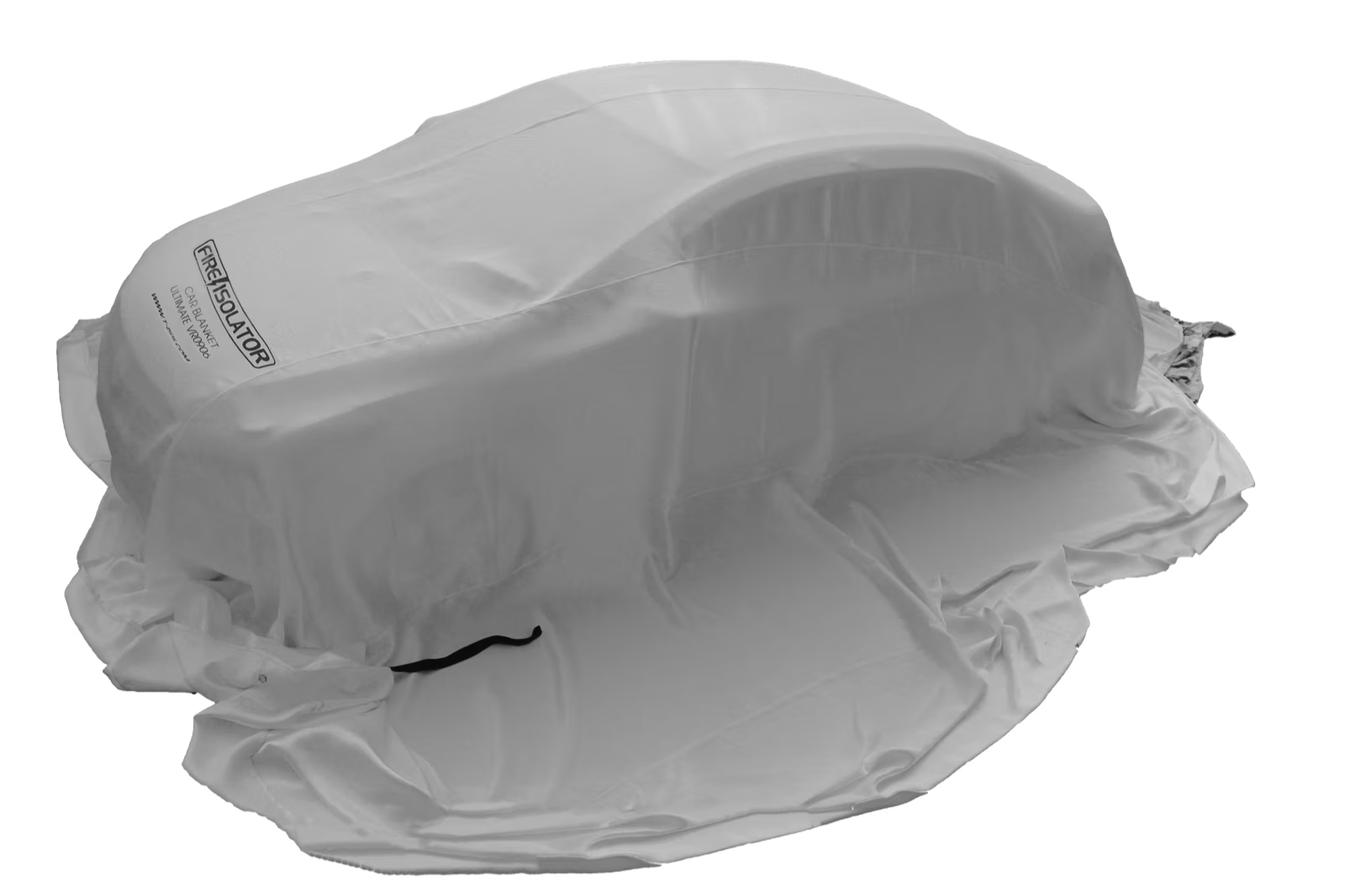
A lithium battery fire produces its own oxygen; it is hard to extinguish and reignites.
The vehicle is covered with a lithium battery fire blanket; flames and smoke stay under the blanket.
Can't find your question?
Let's choose the right system for your project together.
Product Categories



Featured Products

References
Our completed projects and collaborations are the strongest indicators of our quality and trust-oriented approach.


























News
News
Fire-Resistant Coatings and Their Types: Protecting Your Buildings Against Fire

News
Intumescent Fire Coatings: A Solution Combining Aesthetics and Fire Safety (Part 3/3)
